Stoneware vs. Earthenware: Which Clay Body Should You Choose?
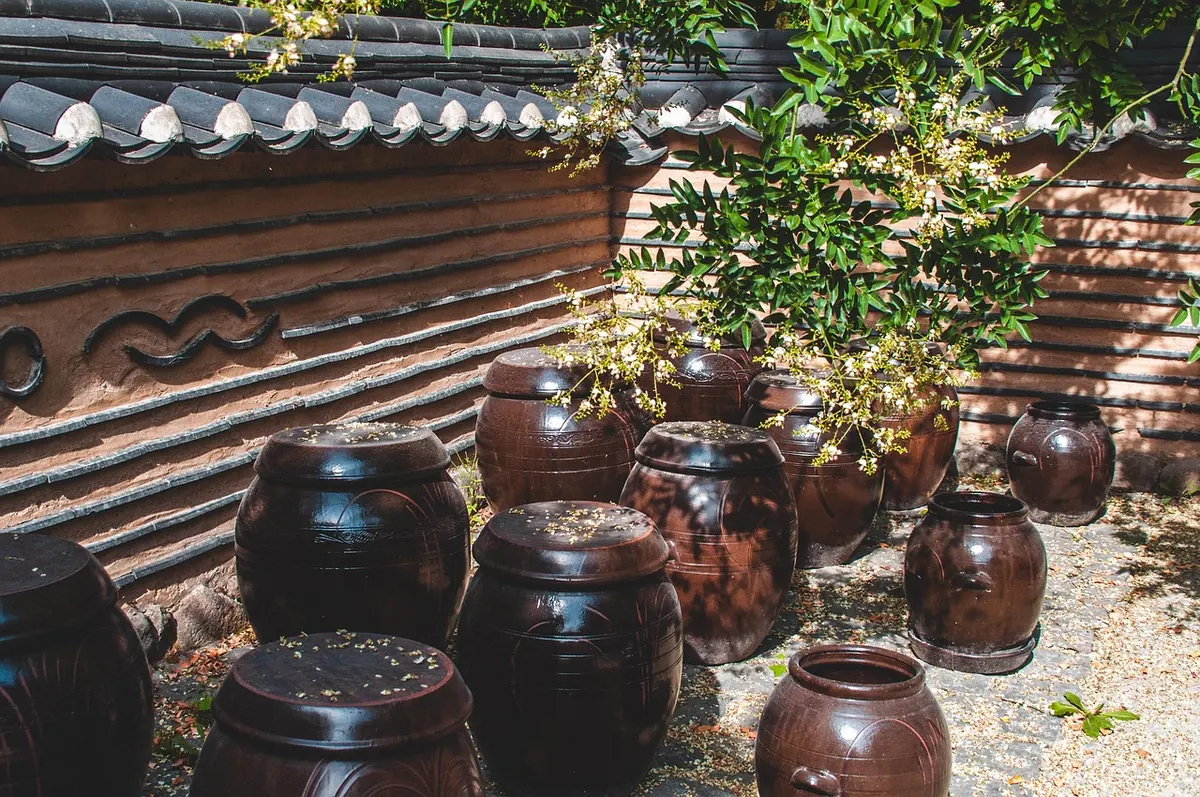
A potter's first real decision is not the shape or the glaze. It is the clay body. Earthenware and stoneware look like cousins in the bag — both plastic, both grey or brown, both happy to become a bowl. Fire them and they part ways. One stays soft, porous and warm in colour; the other turns dense, cool and almost glassy. What you choose at the shelf decides how the piece fires, how heavy it feels in the hand, whether it survives a dishwasher, and which glazes it will accept without a fight. It also decides how long your kiln cycle runs, how much of your shelf space goes to waste, and how many pieces survive your first year at the wheel.
The good news is that neither body is "better". A terracotta flowerpot and a stoneware dinner plate are each doing exactly the right job for their material. The trick is matching the clay to the work, rather than choosing a favourite and forcing it into shapes and uses it never wanted.
The Difference Starts in the Ground
Earthenware is made from secondary clays — surface clays that water carried and deposited, usually mixed with iron, sand and other minerals picked up along the way. The iron is what gives terracotta its rust-red colour and what makes the body mature at low heat. Most earthenware bodies are blends of red and buff clays with a little sand or grog to open them up. Because these clays were laid down close to the surface, they are plentiful, cheap to dig and cheap to process, which is why the whole brick and tile industry is built on them.
Stoneware comes from more refractory clays, the kind that take serious heat without deforming. They are usually blended with ball clay for plasticity and feldspar to help the body melt and close. A stoneware body is often grey, tan or speckled with iron, and some contain grog for texture and strength. Many stonewares are also deliberately designed to vitrify within a narrow band, so a slight miscalculation in the firing shows up immediately.
Notice the phrase "clay body". Neither material is a single substance; both are recipes. Two stonewares from different suppliers can behave like different animals. A speckled cone 6 stoneware with 20% grog will feel short and stiff next to a smooth, plastic cone 10 body meant for throwing tall, thin walls. Learn your supplier's spec sheet before you learn to blame yourself for a bad batch.
Firing Temperature and Vitrification
Earthenware is typically fired between roughly 1000°C and 1150°C — cone 06 to cone 04 for the ubiquitous low-fire bodies, and up to about cone 1 for the sturdier ones. Stoneware goes higher, generally somewhere between 1200°C and 1300°C, or cone 6 to cone 10, depending on the body and the maker's intention. Those few hundred degrees change the clay at a structural level.
At stoneware temperatures the clay particles fuse and the open pores between them close. This is vitrification, and it is why a stoneware mug rings when you tap it and feels cool and heavy in the hand. Earthenware never gets there. Its particles bond, but the body stays open, which is why an unglazed earthenware tile will pull a drop of water off the surface in seconds.
Fire a body outside its stated range and you will know. Earthenware pushed too hot slumps, bloats and sends glaze running off the pot onto your kiln shelf. Stoneware fired too cool stays dull and porous — it looks like stoneware in the bucket but behaves like earthenware on the table. Trust the supplier's range, and when you change clay, change your firing schedule with it.
There is a practical cost attached here too. A cone 10 stoneware firing takes longer to climb and longer to cool, and it asks more of elements, bricks and kiln shelves. If you fire electric, a low-fire earthenware cycle will get you through far more work in a season on the same electricity budget.
Porosity: What Water Does to the Finished Pot
Porosity is the difference you feel with your fingers. Unglazed earthenware drinks water. A typical earthenware body absorbs somewhere between 5% and 15% of its own weight in water, which is fine for a garden pot, a decorative tile or a bread crock, and a problem for anything that has to hold liquid or go in a dishwasher.
On earthenware, the glaze is not decoration. It is the barrier. If the glaze crazes — those fine cracks that spread like a spiderweb — water can slip behind it into the body, and the piece may weep, stain or turn musty. Crazing comes from a glaze that does not fit the clay, from underfiring, or from thermal stress later in life.
Stoneware, being vitrified, has far less appetite for water; good bodies come in under 2% absorption and some are close to zero. Its glaze still matters for hygiene, colour and surface, but the body underneath is not a sponge. That is why a well-made stoneware mug can sit overnight with coffee in it and not smell of yesterday.
You can test any body yourself. Fire a small unglazed tile, weigh it dry, soak it for a day, dry the surface and weigh it again. The gain tells you how much water the body takes up. Do that before committing twenty kilos of clay to a dinner set.
Durability and Thermal Shock
Stoneware wins on toughness. Dense bodies resist chipping, stand up to daily washing and hold their glaze fit longer. A stoneware plate can go through years of family dinners and still look new.
Thermal shock — damage from sudden temperature change — is the other half of durability. Earthenware expands and contracts more with heat, so pouring boiling water into a cold earthenware jug, or moving a terracotta dish from a hot oven to a cold worktop, is asking for a crack. Stoneware copes with that kind of change better, though no clay enjoys it.
None of this means a stove burner or a grill unless the piece was made and tested for it. If oven use matters to you, choose a body and glaze designed for it and follow the maker's limits. A flameware body is its own recipe, not just "stoneware, but braver".
How Each Clay Feels to Work With
On the wheel and at the table, earthenware is the friendlier material. It is plastic, forgiving and slow to fight back. Beginners throw taller, hand-builders coil wider, and most mistakes can be worked back into shape. It also dries fairly evenly, which matters if you work in a small space without a damp cupboard. Shrinkage is modest, usually 5% to 8%, so the bowl you throw is closer to the bowl you get.
Stoneware asks more of your hands. It is stiffer, benefits from thorough wedging, and grogged bodies can feel gritty and slightly abrasive on the skin. It is less tolerant of uneven walls and quick drying — a thick base and a thin rim will find a way to crack — and it shrinks noticeably more, often 10% to 13%, which means every measurement you take in the studio is a guess about the kiln. In exchange it will hold a shape at high temperature, take a seam and a handle without sagging, and forgive the kind of rough handling that would crumble a low-fire rim.
If you are learning, throw your first hundred pots in earthenware and fire your first twenty in stoneware once the forms are reliable. Learning plasticity and learning heat are two different lessons, and there is no rule that says you must learn them at once.
Glaze Fit and Surface Character
The clay body also decides which palette you get to paint with. Earthenware is the home of bright, saturated colour: tin white, majolica, copper greens and turquoise, and the whole tradition of painted tiles. Low-fire glazes melt easily and stay glossy, and because the body is soft, a glaze that fits perfectly is not hard to achieve — but a glaze that does not fit will craze visibly, and on a porous body that matters.
Stoneware glazes are quieter by nature. At cone 6 to cone 10 the metallic oxides burn away or subdue, which gives you celadons, tenmokus, ash glazes, oatmeal and iron speckle, and surfaces that break and pool over texture. Reduction firing is possible here and nowhere else, and it is responsible for some of the most interesting surfaces in ceramics. Glaze fit is more demanding: the body shrinks hard as it vitrifies, and a glaze with the wrong coefficient of expansion will craze or shiver off the rim — sometimes months after the pot leaves the kiln.
That lag is worth remembering. A glaze that looked sound on Tuesday can be a mess by Christmas.
Choosing for the Job
When you are standing in front of the shelf with a decision to make, work backwards from what the pot has to do:
- Dinnerware and mugs — stoneware. Dishwasher, knife, hot tea and a toddler are all doing their best to destroy it.
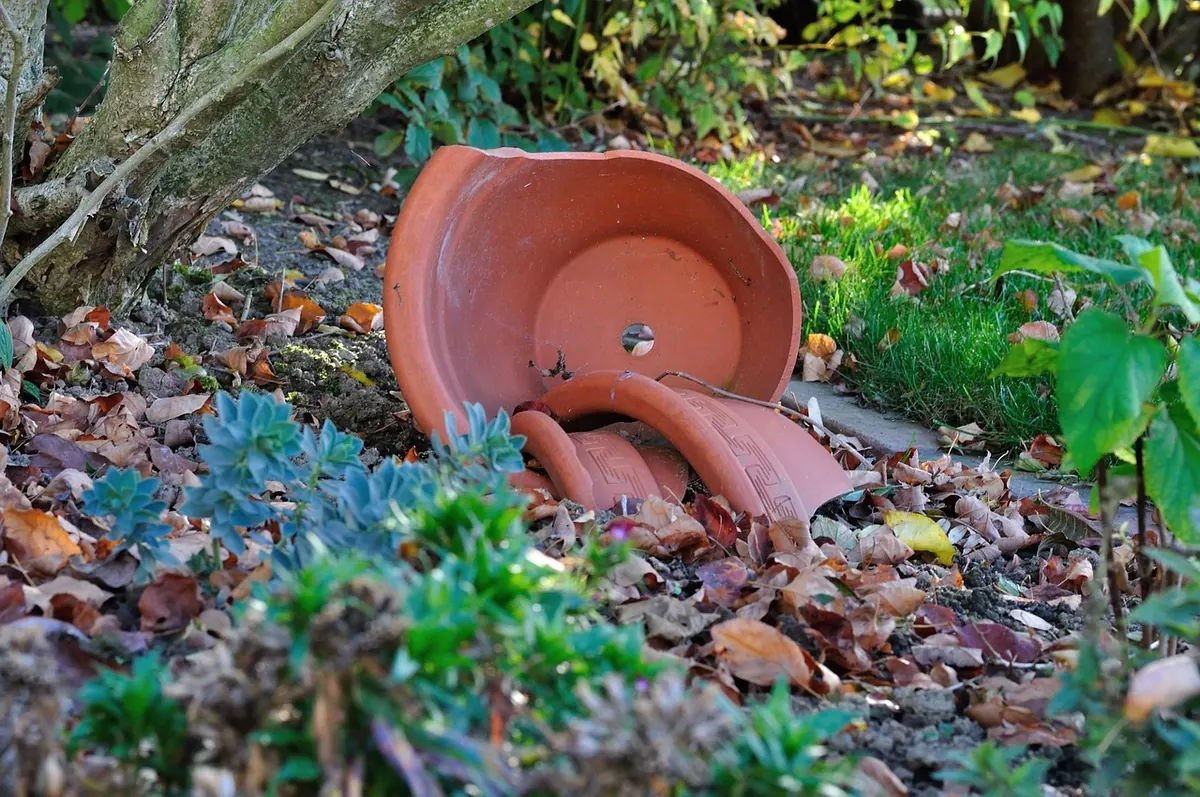
- Planters, garden pots, decorative tiles — earthenware. Cheap, cheerful, and porosity is a feature when roots need air.
- Bread crocks and storage jars — earthenware, unglazed inside, because the body can breathe with the loaf.
- Ovenware — a purpose-made body only, never a guess.
- Large sculpture and architectural work — stoneware for strength, or earthenware if weight, cost and kiln size are the limiting factors.
- Teaching and testing — earthenware. Fewer variables, shorter cycles, cheaper failures.
Choose the clay for the job the pot has to do, not for the bag that happened to be on sale.
Finally, weigh the economics honestly. Stoneware clay often costs a little more per kilo, fires for longer, and takes up the same kiln shelf for a longer stretch, so the true cost per finished piece is higher than the bag price suggests. It also arrives at the customer's door heavier, which matters more than most potters expect once shipping is in the equation. Earthenware is cheaper at every step — and if a piece is going to live on a shelf rather than in a sink, that is not a compromise at all.
Pick the body that suits the life the pot will lead, fire it inside its stated range, and test a tile before you commit. Do that and both clays will reward you — the terracotta with warmth and colour, the stoneware with weight, ring and years of hard use.
Photo: wal_172619 / Pixabay